


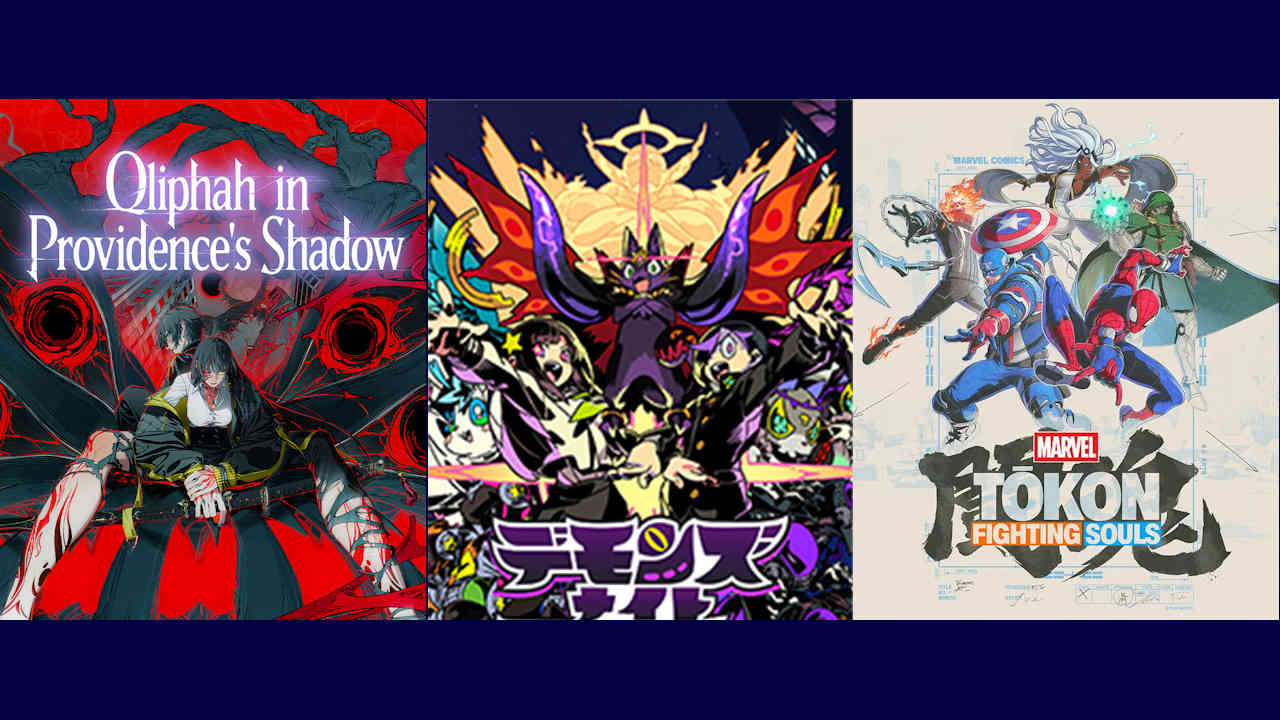
The Arc System Works booth at Anime Expo this year was packed with game demo stations. I dropped by to play three of the games, and they couldn’t have been more different from each other.
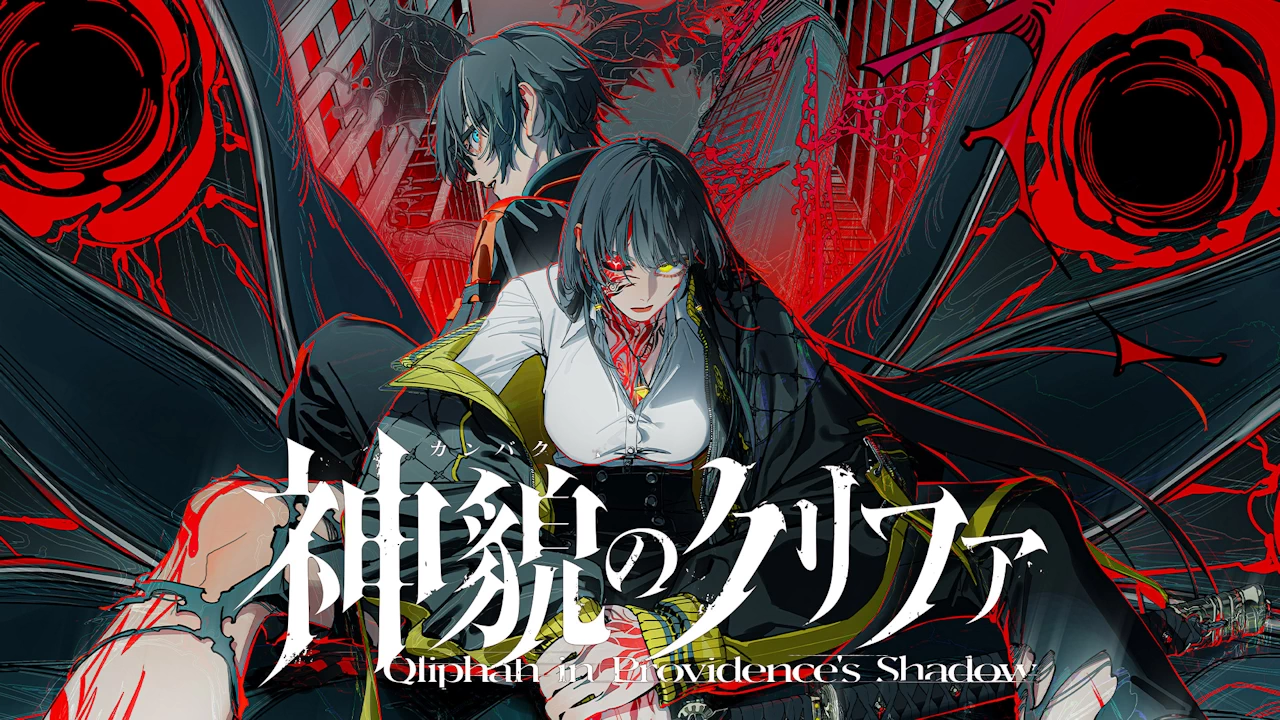
First up was Qliphah in Providence’s Shadow, a game I have no idea how to pronounce but that did have an interesting gameplay mechanic. The game is set in a post-apocalypse Tokyo, more specifically in its famous Shibuya district. Supernatural beings are running amuck through the streets and it’s up to the Metropolitan Police Department, Public Safety Bureau, Foreign Affairs Section 5, 2nd Anomaly Investigation Unit to stop them. The demo featured a boss fight, which showcased its “tactical counter-timeline combat”.
I controlled two characters at once – this is a tactical game, so by ‘control’ I mean ‘give orders to’ – one with the D-pad on the controller the other with the face buttons. In the center of the screen there is a timeline bar which shows impending enemy attacks. These attacks are color-coordinated by type, and your characters attacks are assigned colors as well. To counter the boss attacks, you need to order the correspondingly colored character counterattacks, but there’s more going on than a combat version of DDR. There’s a recharge status on the character attacks, so you need to manage things so you have someone ready to attack at the right moment. Also, by paying attention to the timeline and the timing of attacks, you can stack skill attacks to unleash massive combos. And while the focus is on the timeline, there are some really cool attack animations going on throughout the battle that will compete that timeline for eyeball time.
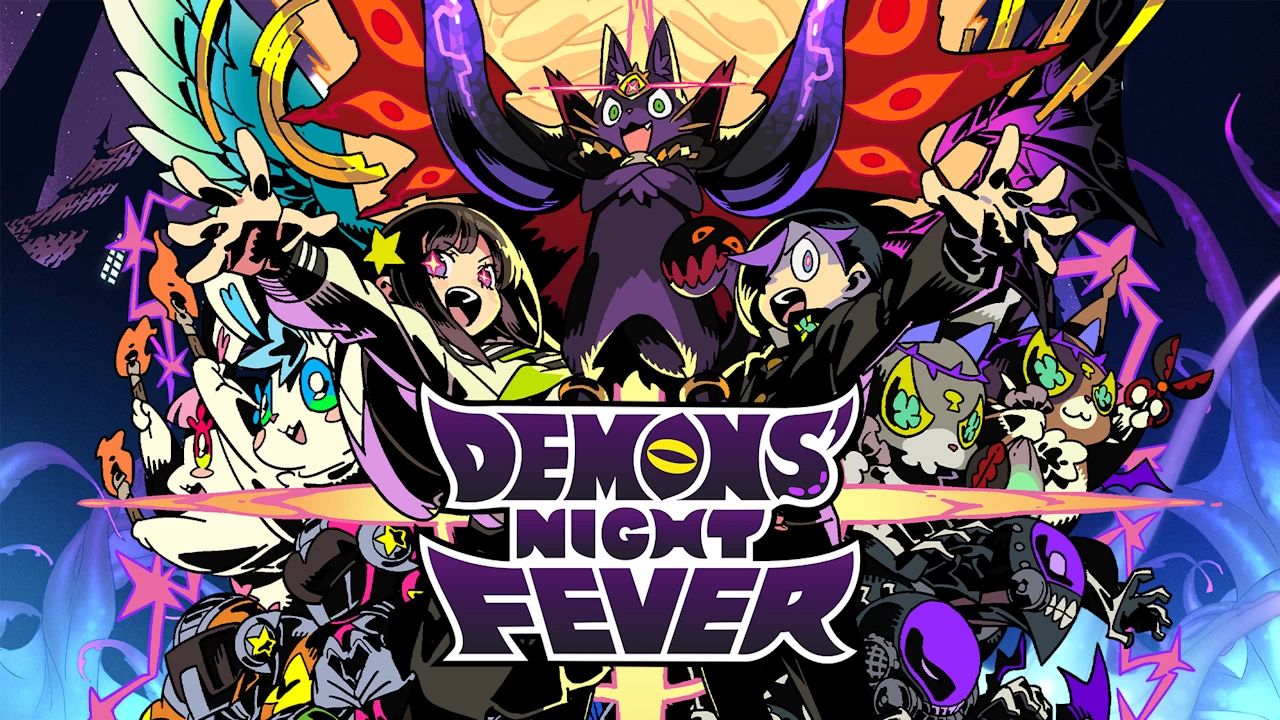
Next up was another tactical game, but one that delivered a completely different experience – Demon’s Night Fever. This is one of those games that has both a crazy premise and some unusual gameplay. A devil known as Giga Super Death was about to complete his goal of killing God when he was transformed into a baby. He had enough power left to upgrade himself to a bat-winged cat, but in need of some help to complete his plans he recruits an antisocial 20-something office worker Killshiro Katanaka as his acolyte. Killshiro enthusiastically volunteers since he’s always wanted to see the world burn. Together they begin their quest by trying to take over the world one district at a time.
The gameplay itself was described as a “tactical speedrunner”. What does that mean? Well, you get 30 days (turns) to prepare your army of minions for battle. These turns are spent kidnapping people for your army, doing evils deeds that buff your stats, or pulling heists to earn gear for battle. These actions are essentially text-based – pick your action and read about the results. Sometimes you’ll be given the option to risk your rewards for greater ones and will be given a percentage chance of success. Decide to go for it and a die will be rolled under the hood and you’ll get a success or failure message.
When you feel that you’re strong enough to go to battle, the game switches to a grid-based tactical battle. Since you’re evil, the game rewards sacrifice. Not yours, but those of your minions. Sacrificing them in battle only makes you stronger, and when they fall you can call in more anyway.
I can see why the ‘speedrunner’ moniker was added to the game – you’ll want to power your way through the preparation activities as fast as possible. The battle mechanics were interesting, but it will take more than a demo to see if the game’s concepts gel into something that’s fun to play or just make for a repetitive experience.
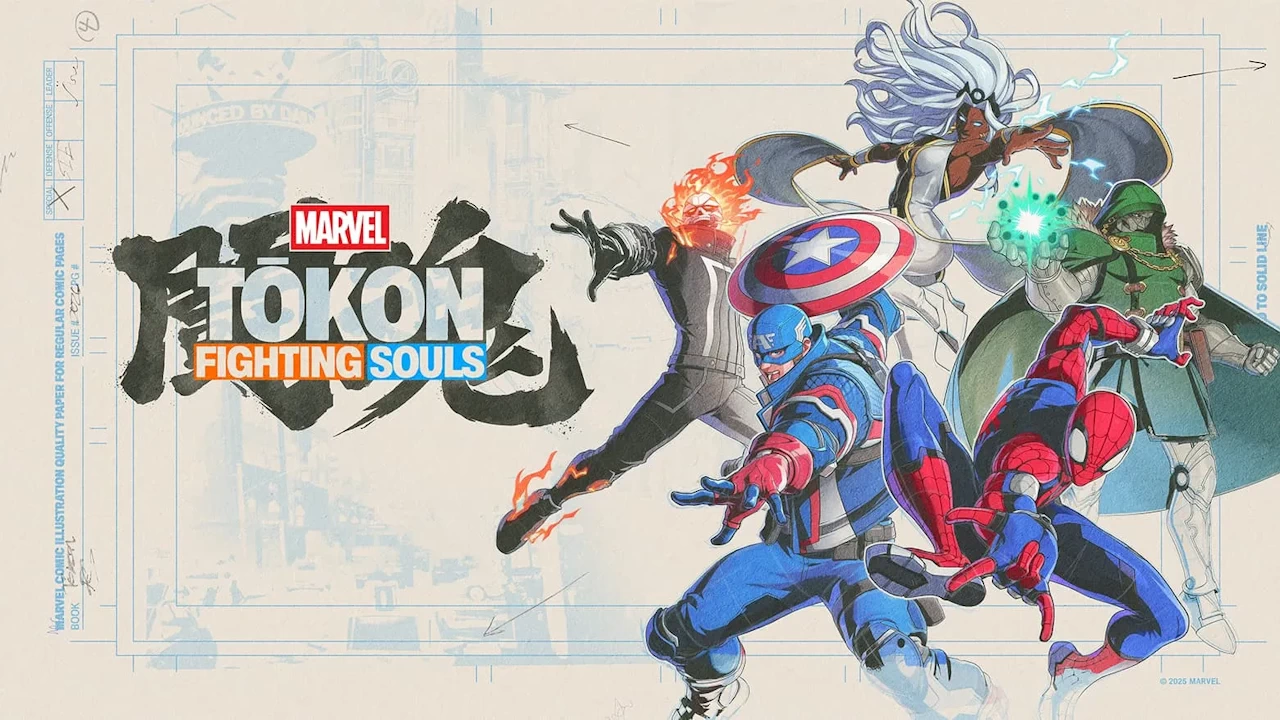
The final demo was for MARVEL Tōkon: Fighting Souls, and I have to admit that I really liked this game the most of all. The game is a tag-team fighter, so you select four heroes from the game’s roster to form your team. I really liked the game’s comic book esthetics, not just in its colorful, cel-shaded graphics that could have leapt off of the pages of a comic book, but in a lot of other little ways like naming your team based on your selections and throwing them on the cover of a special edition.
The fights were a lot of fun. You have your usual mix of attacks, specials, and counters that are unique to each hero, but what really makes the game different from other fighters are the tag team attacks. In tag team games, you usually can switch to a different fighter and carry on from there. You can do that in MARVEL Tōkon: Fighting Souls, but you can also bring them in temporarily for combo attacks that blend the skills of two heroes. These combos lead to some really cool animations that sometimes are presented as a page of comic book panels.
And there ended my tour of Arc System Works’ games at AX26. Each game was something to look forward to, but overall, I see MARVEL Tōkon: Fighting Souls as the game that will be a breakout hit.